
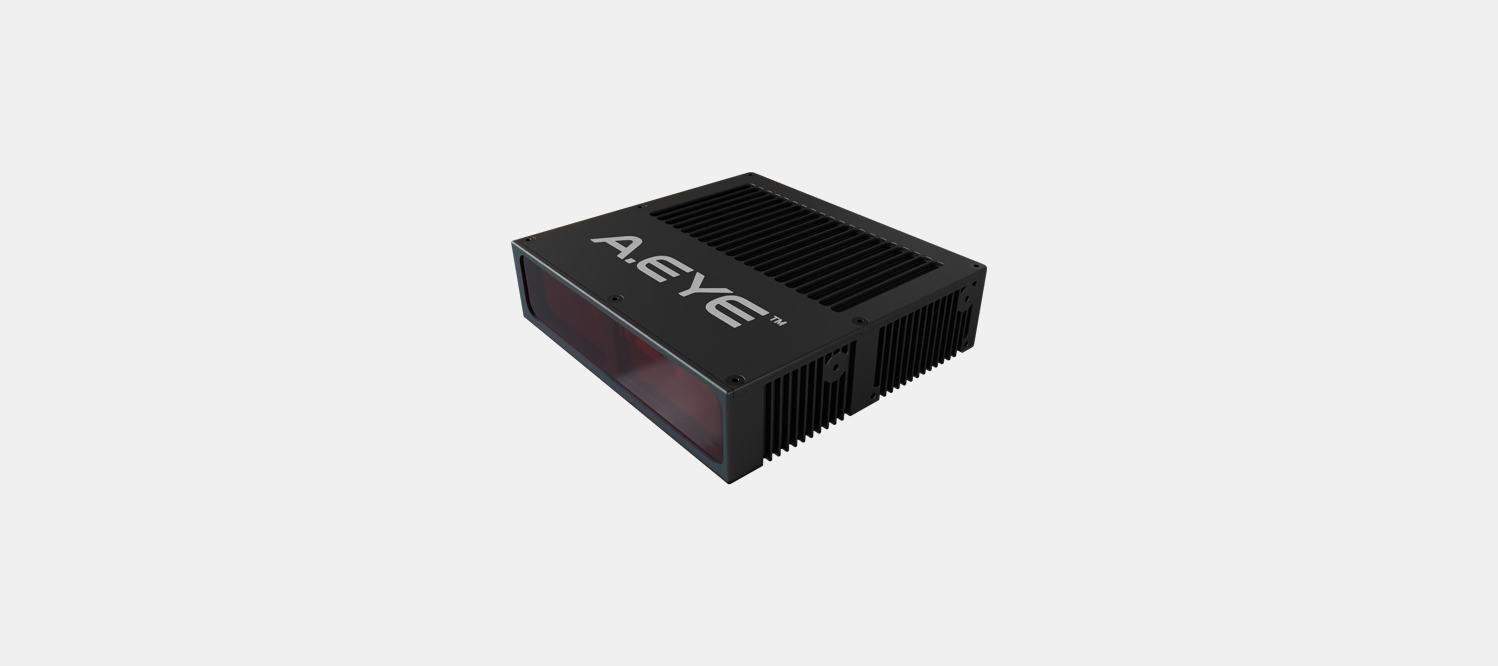
AEye’s Apollo lidar sensor, capable of detecting objects at distances up to one kilometer, has won the “Smart Sensing Technology Innovation Award” at the EAC 2026 Zhiyao Awards in Shanghai. The award, presented during the EAC Automotive Industry Conference and Exhibition earlier this spring, recognizes innovation in intelligent sensing technologies for advanced driver-assistance systems (ADAS), autonomous driving, and broader Physical AI applications. AEye, Inc. (Nasdaq: LIDR) is a developer of software-defined, high-performance lidar solutions.
Highlights
- Apollo detects objects at distances of up to one kilometer in a compact form factor.
- The sensor is designed for behind-the-windshield integration in automotive and trucking, plus applications in rail, mining, and other industries.
- The award was decided through a combined process of expert panel review and public voting.
- Apollo’s recognition adds to its prior integration into the NVIDIA DRIVE AGX platform.
What the Award Recognizes
The EAC Zhiyao Awards are organized by EAC Automotive alongside automotive industry media outlets including Zhiche Hangjia and AUTO Hangjia. The annual program recognizes companies and technologies advancing intelligent vehicles and next-generation automotive systems. Apollo was selected through expert panel review combined with public voting, with the award honoring sensing technology that supports ADAS, autonomous driving, and Physical AI.
The award was formally presented during the conference in Shanghai earlier this spring.
How Apollo Is Built and Used
Apollo is AEye’s software-defined lidar product, engineered to detect objects at ranges of up to one kilometer while remaining compact. The company positions it as purpose-built for Physical AI and designed for multiple use cases, including behind-the-windshield placement in automotive and trucking applications, as well as deployment in rail, mining, and other industries. According to AEye, the platform delivers long-range, real-time 3D perception intended to help machines interpret and respond to complex real-world environments.
The recognition follows Apollo’s earlier full integration into NVIDIA’s DRIVE AGX platform, which gave AEye access to automakers building autonomous and driver-assistance systems on NVIDIA technology. Apollo first debuted as the lead product in AEye’s 4Sight Flex sensor family, as covered in earlier reporting on the Apollo sensor launch.
What AEye’s Leadership Said
“We are truly honored to receive this recognition from EAC and the broader intelligent vehicle community in China,” said Matt Fisch, Chairman and CEO of AEye. “As Physical AI systems continue expanding into real-world transportation environments, perception becomes foundational. Apollo™ was designed to give machines the ability to see farther, understand more, and react sooner.”
Sign up for our weekly emails to stay up to date on the latest news!